Wednesday, July 17, 2013

Building a Hotel? Choose Modular Construction


Multi Story Modular Hotel

If you are looking to open a hotel you probably are going to find that hotel construction takes a considerable amount of time. There are many different kinds of elements that go into the construction of a hotel and there are even more elements that can slow down construction, ranging from weather conditions to location and inspections.

All of these elements can end up putting you behind schedule and costing you more money. New hotels often have specific deadlines to meet. For instance, a hotel on the shoreline will want to open by summer, their most profitable season. To guarantee your hotel will open on time and within budget, consider a modular building solution.

With modular construction the majority of the hotel is built off-site in a climate controlled factory environment so you can more efficiently deal with inspections and permits, all while construction takes place. Modular construction allows you to design a 100 bed single story hotel or a 300 bed multi-story hotel catered to you exact needs. The fact that the modules are constructed off-site and indoors eliminates any weather delays or set-backs. This allows modular hotel construction to be completed 30-50 percent faster than traditional methods.

The more time you save during the construction phase, the more you are able to spend on other aspects and features in the hotel. Modular construction allows for earlier occupancy and a faster return on investment. Guests will be able to stay at your hotel much sooner.

Tuesday, July 16, 2013

Why Modular Is the Best Green Choice For Home Construction

Building a house with traditional construction is not the only way to build. Most traditionally built homes disturb the environment and waste materials. Using modular construction in order to build a new home allows much less disturbance, pollution and product waste resulting in a healthier and green environment.

Materials that are used to build a green modular house can be recycled and used again. Factory construction not only eliminates waste by utilizing recycled materials but allows inventory to be better controlled and building materials are protected from outdoor elements.

Modular green homes offer greater flexibility and reuse. Modular homes can be relocatable meaning they can be easily disassembled, relocated or refurbished for new use. This reduces the cost of new construction and raw materials.

Green modular homes offer healthier living environments and may include energy efficient features. Some options include daylighting, recycled carpet squares, extra insulation and energy efficient lights, fixtures and appliances. Additionally, factory construction eliminates the potential of moisture or mildew to enter your green modular home. Quality control is completed at the factory, ensuring the home meets and exceeds all safety standards.

Monday, July 15, 2013

N.D. Tops Country In Housing Growth Rate

BISMARCK, N.D. — North Dakota’s rate of housing growth is higher than any other state in the country, the governor’s office said July 2.


The state added 7,388 new housing units in 2012, a growth rate of 2.3 percent, according to estimates compiled by the U.S. Census Bureau, while the country saw an average housing growth rate of 0.3 percent.


“The state is using several programs to facilitate the development of housing and our progress is proof that our strategies are working,” Gov. Jack Dalrymple said in a news release.


Williams County topped the U.S. Census Bureau’s list of the nation’s top 100 in housing growth with 1,525 new housing units, a 13.9 percent increase. Ward County followed with a 4.8 percent increase with 1,318 new housing units.


Stark County ranked eighth with a 3.1 percent increase. Cass County came in 23rd, having a 2 percent increase with 1,372 new housing units, and Grand Forks County saw a 1.4 percent increase with 401 new units, putting the county 58th on the list.

Source: http://www.prairiebizmag.com/event/article/id/15159/

Friday, July 12, 2013

Green Building Booms In Retail, Hospitality Sectors

While we wait for the right combination of home energy management tools, visual reports, and incentives for people to choose green-built homes over conventional ones, the business sector has blazed its own trail. Always concerned about the bottom line, entrepreneurs have been quick to embrace renewable energy and efficient building design.

A new report from McGraw Hill Construction, in partnership with Waste Management, found the percentage of retail owners that have chosen to make more than half of their new buildings are green has jumped from 18 percent in 2011 to 38 percent in 2013. The authors of Green Retail and Hospitality: Capitalizing on the Growth in Green Building Investments project this number will climb as high as 52 percent in the next two years.

green building under construction

The report surveyed 79 retail, 30 hotel and 22 restaurant owners, and defined a green building project as one built to LEED or another recognized green building standard, or one that take significant steps toward energy and water efficiency, improved indoor air quality and material resource conservation.

Hotel owners in particular have been making great strides toward greener buildings. The report showed that 48 percent of hotel owners are “highly involved” in green building–up from 28 percent just two years ago. It predicted that number will rise to 62 percent by 2015. Nor by any means is this surge of green building limited to new construction. The report found that nearly two-thirds of retail and three quarters of hotel owners surveyed also expect to invest in general green operations and maintenance practices by 2015.

Why such enthusiasm for green building, you ask? Because it pays off, of course. The report found that those in the hospitality business enjoyed an 11 percent increase in asset value, a 14 percent rise in the building’s return on investment and a 1 percent decrease in annual operating costs, when they chose to build green.

Likewise, those running retail businesses enjoyed a 7 percent increase in asset value, 8 percent building ROI and 8 percent drop, on average, in annual operating costs when choosing green building strategies over conventional ones.

Written By:  Beth Buczynski

Thursday, July 11, 2013

Starting or Expanding a Business? Choose Modular Construction

modular office building
Business owners should take advantage of all the possible cost saving methods available. Whether you are starting a new business or looking to expand your current location, you may be struggling with construction costs. To reduce spending, labor, product waste and construction timelines many business owners are choosing modular construction. Modular construction offers extreme flexibility when it comes to the design of your space. Office space, regardless of your practice or the services you provide, are generally all the same, at least in terms of construction. Due to this, you are better off choosing a modular office building to ensure timelines, budgets and expectations are met. The speed of modular construction allows new and expanding businesses to open and serve new customers much sooner.

Modular buildings for businesses range from temporary, single story modular offices to permanent, multi-story complexes. Modular construction is a practical solution for sales centers, medical offices, welcome centers, field offices and banks.

Friday, June 28, 2013

Modular Construction for Emergency Housing Solutions


emergency disaster planning

Mother nature has unleashed her fury this year with all sorts of disastrous storms.  Hurricanes, tropical storms, earthquakes and tornadoes have displaced large numbers of residents and businesses.  Government agencies immediately stepped in to help victims by providing food, water and emergency shelters.

After these initial steps, areas struck by natural disasters often look to rebuild.  Most look for an immediate temporary solution to begin, and then consider permanent solutions for the future.  Portable disaster housing is the only choice in many scenarios because it provides immediate relief.

Traditional housing solutions often take too long to construct and sometimes, new construction is not feasible with the poor ground conditions caused by the storm and damage and debris.  In emergencies, modular construction has become the housing solution of choice because the buildings are primarily constructed off-site and there is less impact to the environment.

Modular buildings and homes come in a variety of sizes and finishes to meet the needs of the specific emergency at hand.  They can be customized to meet your exact space needs and if needed immediately, pre-leased modular buildings can often be quickly refurbished and delivered.  Modular units are far easier to transport and assemble than traditional disaster housing units.


When a disaster strikes, the best emergency response shelters and buildings should be available to those in need.  Modular emergency response buildings ensure you will receive a quality home quickly to assist in recovery efforts.

Thursday, June 27, 2013

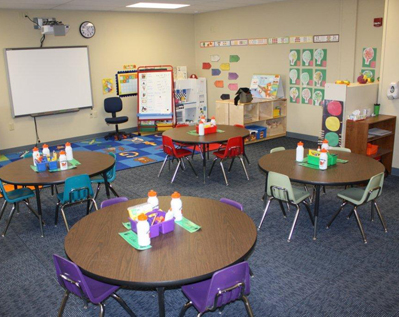
Modular Schools Help Reduce Classroom Overcrowding


temporary classroom

Education administrators may wonder about the advantages of using modular construction in order to reduce school overcrowding.  Modular schools can be built to look and feel just like current school buildings while being built in a fraction of the time of a traditionally built school building.

Fast Building: One of the huge advantages of modular classrooms is that they can be constructed quickly.  It has been estimated that modular buildings can be built 30 to 50 percent faster than conventional buildings.  The sooner more space is built; the sooner students can occupy the classrooms, which will reduce overcrowding.

Minimal Disruptions: Most of the construction takes place off the school grounds, which is going to minimize disruptions for the teachers or students. 

Different Options to Choose From: One of the great things about modular schools is that it offers the ability to choose the design that will meet their space needs. Additionally modular buildings can be designed to accommodate many uses such as labs, cafeterias, classrooms and offices.

Temporary Buildings Or Permanent: Another advantage of going with modular buildings is that they can be temporary, relocatable or permanent, depending on the schools need.

For schools in need of more classrooms, there is no better choice than modular school buildings